You will be taught how to write code. Almost nobody teaches you how to be new, which is the skill the first 90 days actually tests. Here is what your manager is really watching for.
Missed the Tech Solopreneur open day? Here is what we covered: why solopreneurs are on the rise, where AI-built products fall over, and how ten weeks of one-on-one mentoring gets you from an idea to a tested MVP.
Every tech programme in the country says "real world projects". Most of them mean an assignment with a company logo on it. Here is what ours actually involves, and why the difference matters to the person hiring you.
We talk to employer partners constantly about what is not working in junior hiring. The answers have shifted sharply in two years, and almost none of them are about a language or a framework.
Nobody asks this in a scheduled call. It arrives at 10pm, on a form, in the free-text box. Here is the honest answer, including the parts that are genuinely harder.
Job ads have risen for 21 months. Unemployment is at an 11-year high. Both are true. Our quarterly read on what is actually happening in New Zealand tech hiring, with every number sourced.
The question we get asked most is whether an idea is right for the programme. Five worked examples of what fits into ten weeks, and what honestly doesn't.
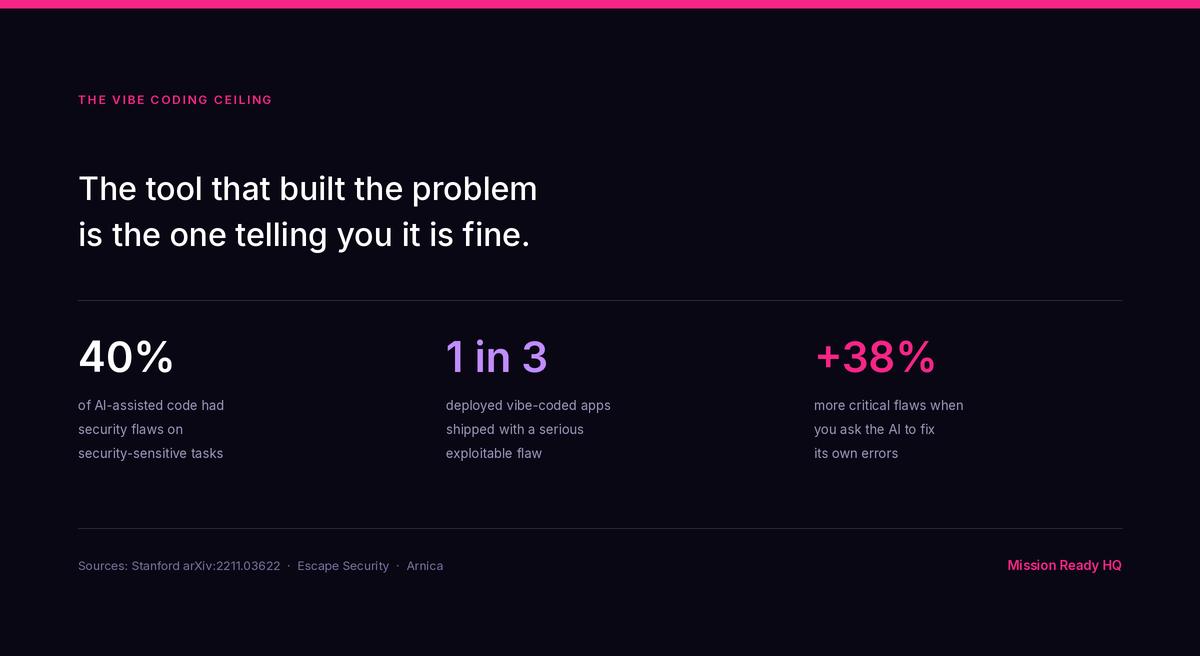
Your AI-built app works but you can't fix it. What the vibe coding ceiling is made of, how to tell you've hit it, and the four ways through it.
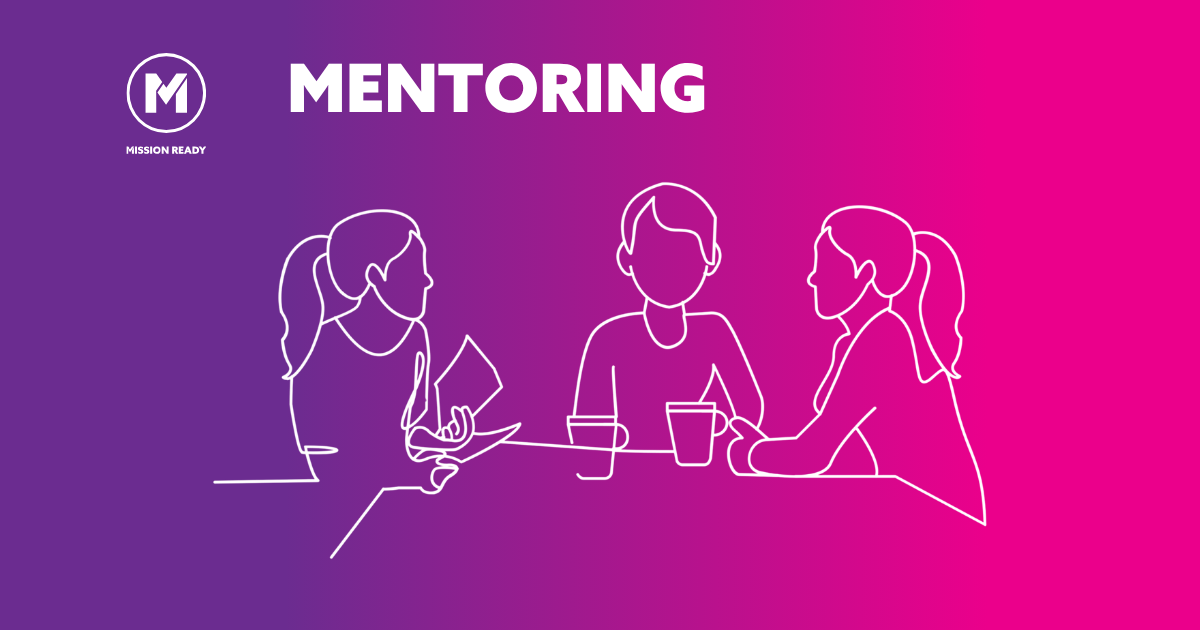
Building alone doesn’t mean deciding alone. Those are two different things, and mixing them up is what makes solo building harder than it needs to be. That is where mentoring can help a lot. Here's how you get to meet good mentors and how they actually help.